

Brand Is Becoming One of the Last Effective Moats
Every B2B company our team at Basil works with is navigating the same underlying change: AI has made the execution layer cheap and accessible to everyone. Software, content, paid media, and sales infrastructure used to require significant time and budget can now be replicated quickly at a fraction of the cost.
When every competitor has access to the same tools at the same price, execution stops being the thing that separates you. The moat fills in.
What I've found, consistently, is that the companies holding their competitive position aren't out-executing their competitors on that layer. They're operating one level deeper — on brand. And brand is the one asset that doesn't compress as AI accelerates. It compounds.
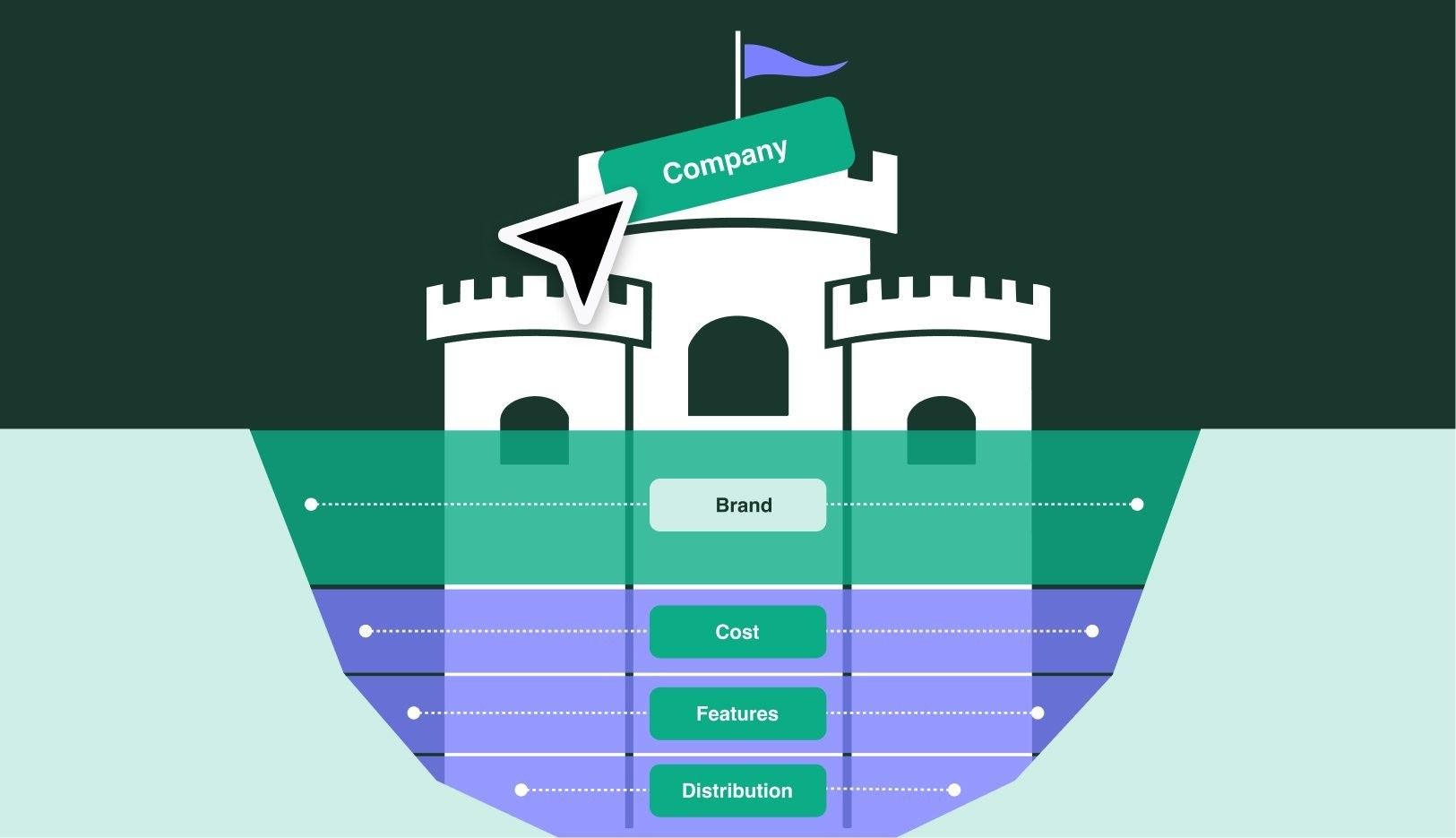
Below are the three specific brand assets that create that moat — and why each one sits structurally outside what AI can replicate.
Moat 1. Brand Reputation
Reputation is the accumulated record of promises made and kept over time. It is built through delivered results, consistent communication, and public endorsement from people who have experienced your value firsthand.
AI can create software. It can write copy. What it cannot do is make the deposits that give those outputs any weight.
This is the core issue with companies that try to build credibility through AI-generated thought leadership, AI-produced case studies, and AI-polished positioning that is based on market wide data. The content looks right. But in markets where buyers are sophisticated — and B2B buyers above the $50K contract threshold absolutely are — the absence of a real track record is detectable. Experienced buyers read between the lines. They check references. They ask around.
The companies that win consistently at the enterprise level are not the ones with the most content. They are the ones whose reputation precedes them before the first call is ever booked.
Moat 2. Brand Quality
I wrote about this directly in a prior post: AI generates output by calculating the statistical midpoint of everything it has ever been trained on. The mathematical result is, by definition, the average of what already exists.
A brand that operates above the average — through deliberate visual direction, distinctive positioning, and creative decisions made by people who understand your business — sits structurally outside what AI can produce. Not because AI lacks technical capability, but because the averaging function itself prevents it from reaching that output.
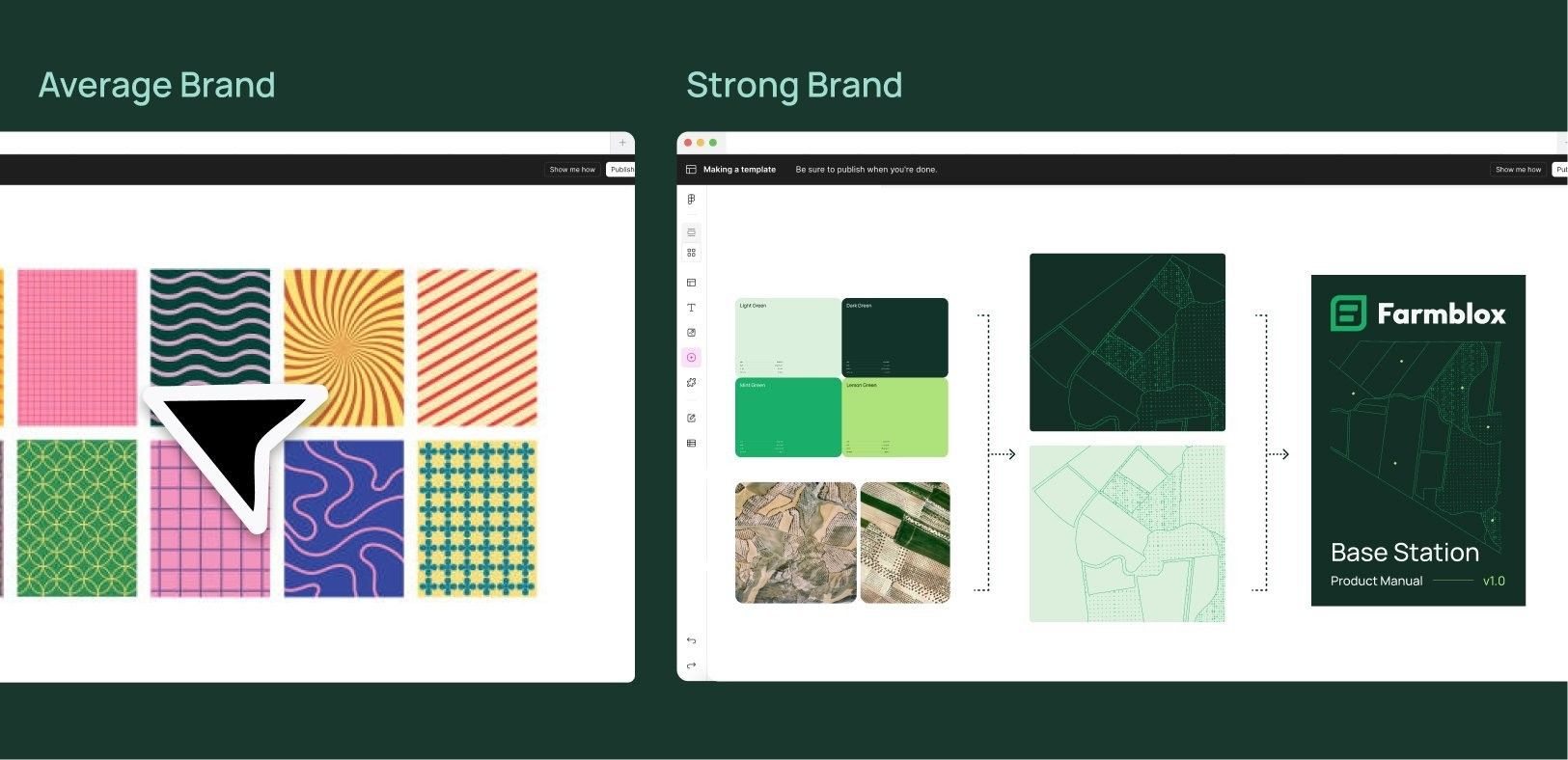
The companies we work with that command premium positioning don't just look "pretty." They look specific. Their visual identity signals something precise about who they serve, what they stand for, and why they are worth the higher contract value. That specificity is a product of creative direction that requires taste, market understanding, and strategic intent. None of those inputs come from a prompt.
Moat 3. Brand Loyalty
Most companies think about customer loyalty in terms of touch points. More emails, more retargeting, more nurture sequences. If people see you enough, they stay.
That logic confuses familiarity with loyalty. Real loyalty is not a function of how often someone encounters your brand. It is a function of whether they believe in what you stand for. Loyalty is shared conviction. It is built when a customer recognizes that your brand reflects values they hold, solves problems they genuinely feel, and operates in a way they can respect.
Brand loyalty is not manufactured through impressions. It is earned through alignment — consistent alignment between what you say you stand for and what you actually do.
AI-generated content optimizes for engagement. It is calibrated to capture attention, extend session time, and drive clicks. What it cannot be calibrated for — structurally — is authentic belief. Belief requires that something real is at the source. When content is generically produced and positioning is AI-averaged, sophisticated buyers feel the absence of genuine conviction. And they leave for the brand that has it.
The Compounding Advantage
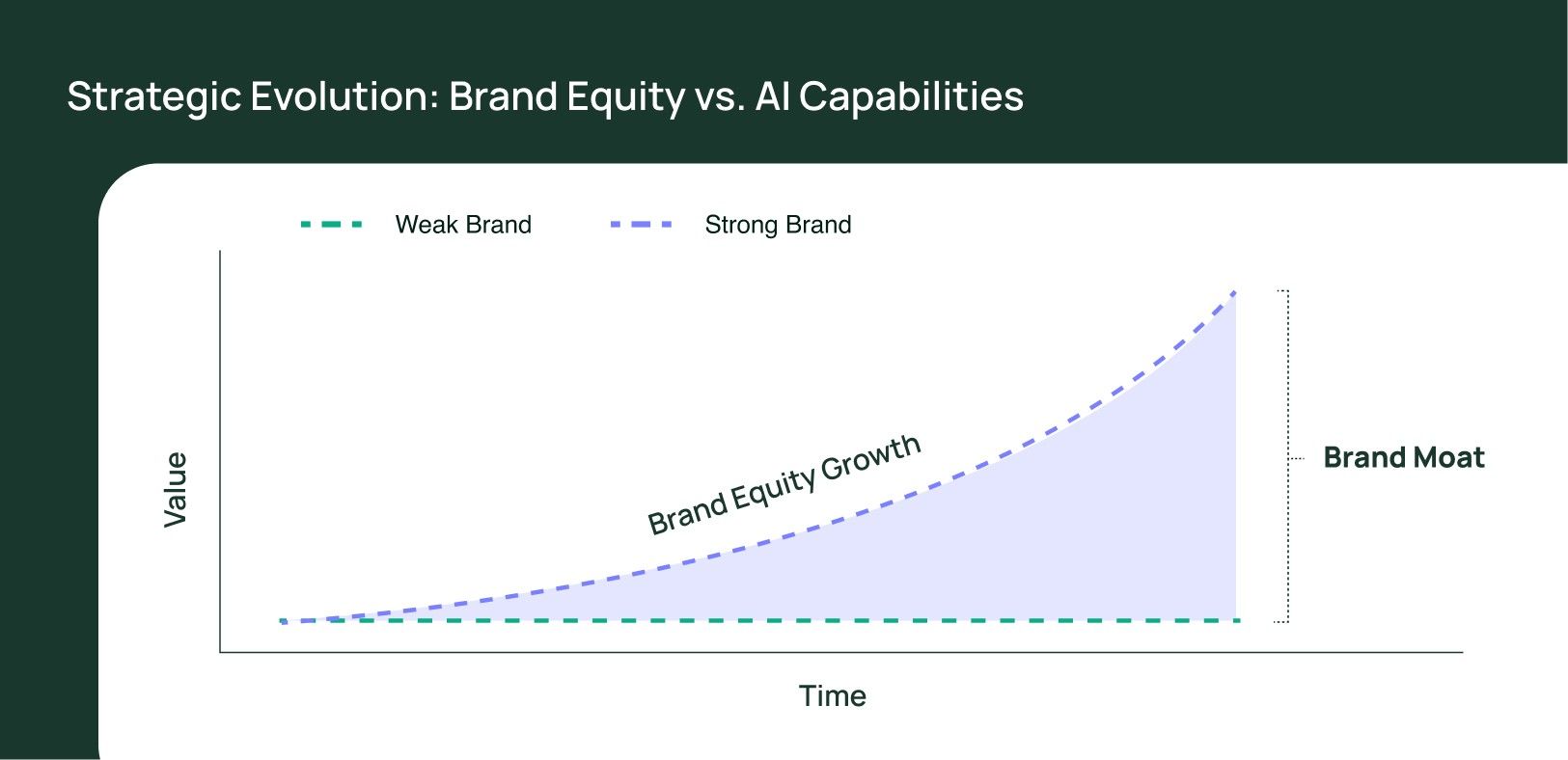
We’ve seen that the best brand moats are not static. They compound.
Every year of consistent reputation-building makes the track record deeper. Every piece of distinctive creative work widens the gap between your brand and the average. Every customer who becomes a genuine believer adds a layer of loyalty that no competitor can buy or replicate with a faster go-to-market.
As AI continues to collapse the cost of execution, the value of genuine brand equity does not decrease. It increases. Scarcity drives value. Execution is no longer scarce. Earned trust, genuine craft, and real conviction are.
Build the moat that cannot be collapsed by AI, a brand that people connect with.
This article was first published on LinkedIn.

